
Help Yourself & Your Family
In-Home Caregivers

Many folks don’t have anyone around to help care for them. In fact, more Americans are living alone, are childless or kinless.
Home care can be a much more affordable option than moving into a long term care facility, and most people prefer to get care in their own home.
WA Cares benefits can be used to help pay for a professional home care aide to help you with daily activities like dressing, bathing, meals, and getting around.
Caregiving requires complex, specialized skills to safely assist with medical and personal needs. Use your WA Cares benefit to hire a professional home care aide with the training to provide safe high quality care.
Family Caregiving at Home

When we are experiencing diminished physical or mental capacity to care for ourselves, most of us want to stay home, close to family and friends. Many count on family members who have retired, or quit work to care for them.
WA Cares benefits can be used to pay a family member for their valuable caregiving work, helping defray lost income and protect family savings.
Nearly 8 in 10 caregivers report paying an average of $7,242 every year on caregiving costs for things their loved ones need. WA Cares benefits can also be used to pay for essential supplies like adult briefs and hygiene supplies so it doesn’t come out of family members’ pockets.
Equipment, Meals, & Home Safety Alterations
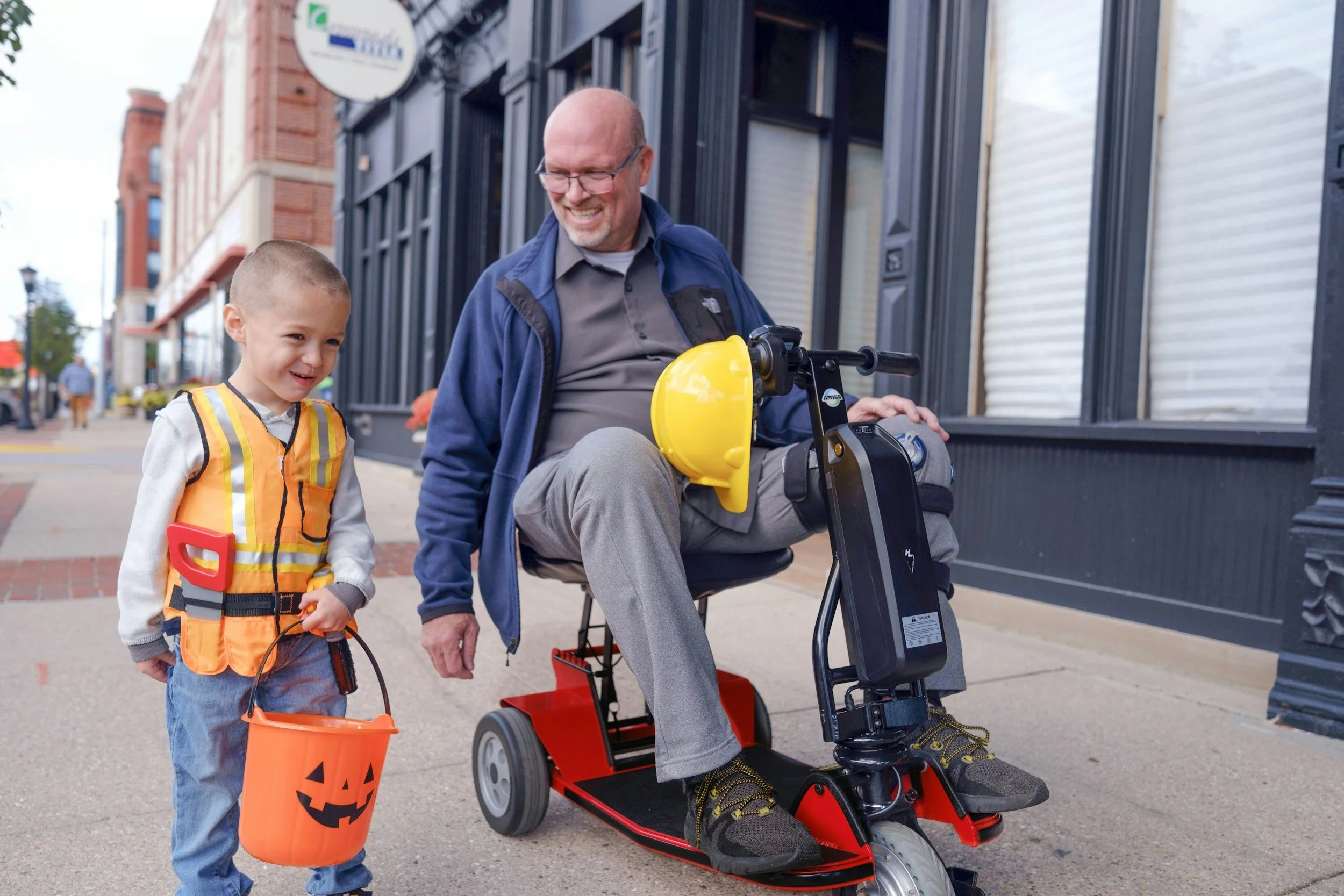
WA Cares benefits can pay for things that help us stay safe and in our own home, like installing grab bars or ramps to replace steps.
Benefits can help cover the cost of equipment like a shower chair, wheelchair, scooter, medication reminders, supplies for wound care and more.
You can also use your WA Cares benefit to pay for rides to appointments and grocery shopping, or for in-home meal delivery.
See a full list of covered supports and services here.
Residential Care

Contrary to the perception that long-term care means living in a nursing home, the vast majority of us will not need 24/7 care in a residential facility. In fact, 65% of people get care in their own home. About 37% of people who need long-term care spend an average of one year in a facility.
WA Cares benefits can be used to help cover the cost of getting care in a nursing or assisted living home, and buy time before draining their family savings and assets to qualify for Medicaid.